Residential Washer Repair for Porterville Homes
Porterville residential laundry setups range from garage installations and utility rooms to compact closets inside apartments and detached homes. A washer failure can disrupt a household quickly, especially when a large load is trapped in the drum or water reaches the floor. We provide washing machine repair for common household models and diagnose the machine before recommending work. Tell us if the washer is on an upper floor, behind a narrow doorway, or stacked with a dryer; that helps us plan safe access. We check the symptom, inspect the relevant connections and components, and test the affected cycle after repair. If you are weighing repair against replacement, we explain the machine's condition and practical next steps without pushing a new unit.
- Household washer diagnosis — We diagnose Porterville home washers that will not fill, drain, spin, or complete a cycle. The technician records the error or symptom, tests the relevant stage, and explains which component or connection is responsible. This is useful when a washer appears to have several symptoms but only one underlying failure.
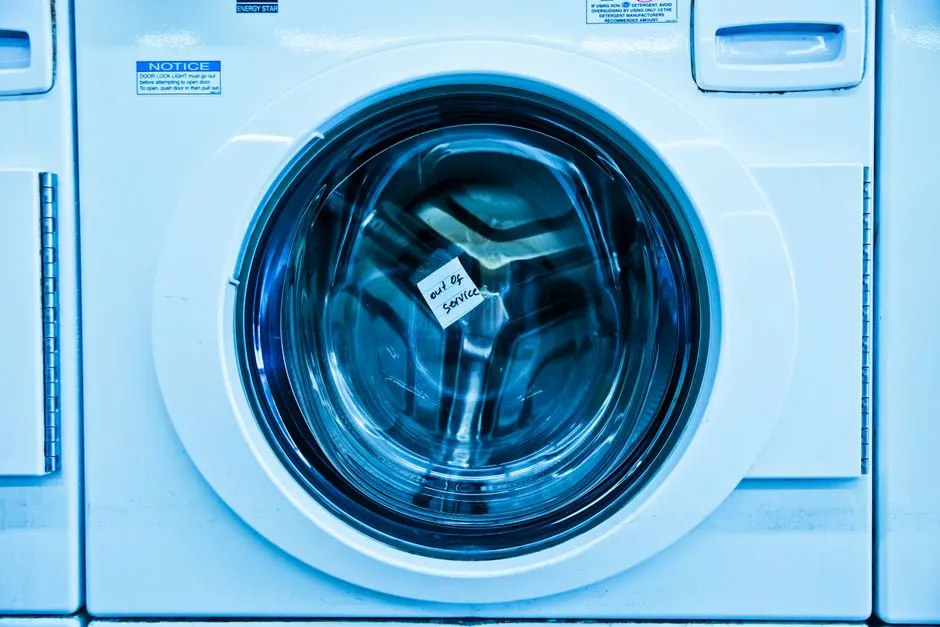
- Front-load seal and drain service — For Porterville front-load washers, we inspect the door seal, drain path, and locking response when water remains or the door area leaks. We test the machine during the stage that produces the symptom and check for fresh moisture afterward. You also receive straightforward care steps to limit residue buildup.
- Top-load spin and fill repair — We check Porterville top-load machines for lid-lock faults, poor fill, and spin interruptions. A technician tests the control response and water flow, then checks the relevant switch or component based on evidence. Once repaired, we run a cycle test to confirm the washer advances and spins as expected.
- Washer installation and connection — When a Porterville household replaces or relocates a washer, we check the space, level, hose routing, drainage, and electrical connection. We run the appliance and inspect the hookups for leaks. Proper positioning reduces strain on the hoses and helps the machine operate without avoidable vibration.