Logo
Get Estimate

Washer Installation in California for a Secure Setup

Correct hookups, level placement, and a tested wash cycle


Washer Installation in California gives homeowners, landlords, and property managers a safe, working setup without guesswork. We place and level the machine, connect the inlet and drain hoses, check shutoff valves, and run a test cycle for leaks and vibration. Our washing machine installation in California covers new purchases and replacements, including front-load, top-load, and compact units.

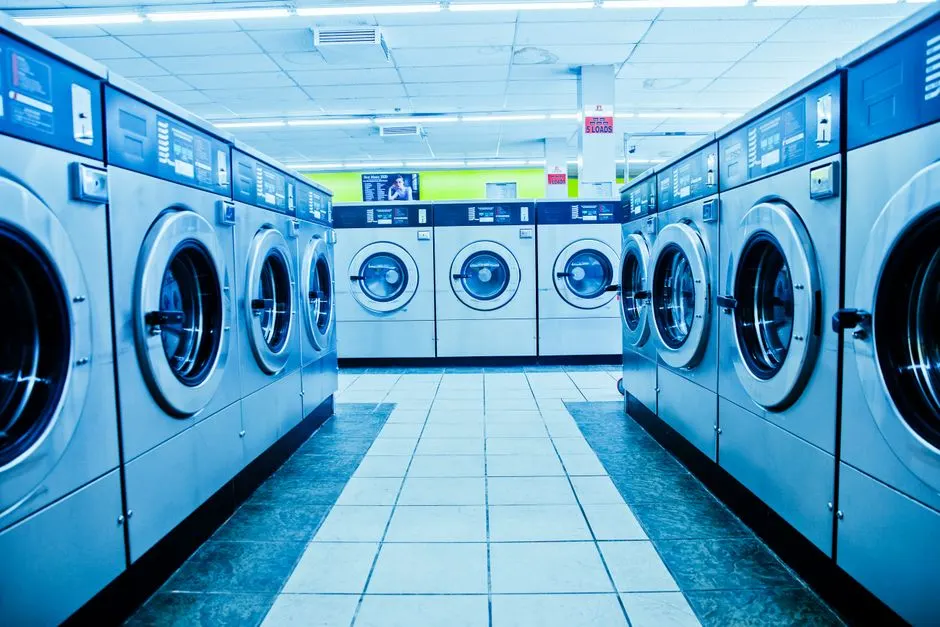
A contemporary laundromat with rows of industrial washing machines and bright interior lighting.
Licensed Licensed & Bonded
Fully Insured Insured & Bonded
24/7 Emergency Same-Day Response
Warranty Backed Workmanship Guaranteed

What Washer Installation Includes

A standard installation covers placement, connection to usable existing supplies, leveling, removal of shipping restraints where applicable, and a functional test. We also inspect visible hose and valve condition. New plumbing or electrical work, a damaged shutoff valve, unusual access, or incompatible stacking hardware requires additional work and is explained before it proceeds.

Position and Level

We place the washer in the approved laundry location, check clearances, and adjust its feet until the cabinet is stable. Proper leveling reduces movement during spin and helps prevent the machine from contacting nearby walls, cabinets, or the dryer.
Water Hose Connection

We connect the hot and cold inlet hoses to compatible, working shutoff valves and inspect accessible fittings for leaks. We avoid twists and kinks that restrict flow or stress the connection. Worn hoses can be replaced as an additional item.

Drain Hose Routing

We route and secure the drain hose to the existing standpipe or approved drain arrangement, following the washer instructions. The drain test confirms that water exits without a leak, backup, or hose displacement during the cycle.

First-Run Verification

We check the controls, run a fill and drain test, and observe spin for abnormal vibration or noise. You get a clear handoff on basic operating guidance, including detergent use for the model and what to check if an error code appears.

Washer Installation in California: The Work


Washer Installation in California is an appliance installation service that positions a new washing machine, connects its water supply and drain, and verifies safe operation. We first check the delivery path, floor, laundry connections, and machine specifications. Then we remove shipping restraints, fit approved inlet hoses, secure the drain hose, level the feet, and test fill, drain, and spin functions. A proper setup limits hose stress and excessive vibration, and helps prevent water from reaching cabinets or the room below.

Homes across California range from older laundry closets with tight clearances to newer apartments with stacked machines and shared utility rooms. Hard-water areas can leave mineral deposits at valves; coastal humidity can contribute to musty odor or mildew buildup if the door stays closed after use. If you need to install a new washer in a California home, we confirm the outlet, shutoffs, drain standpipe, and floor support before moving the appliance into place.

What to Expect on Installation Day

Washer installation follows a clear sequence, from access and connection checks through a test cycle. Most standard installations take about 1 to 2 hours once the machine is in the laundry area; unusual access or connection changes add time.

01

Schedule

Call or book online — a real human picks up and confirms a 2-hour arrival window.

02

Diagnose

Licensed tech inspects on-site, then walks you through the cause and your options.

03

Fix

The job is completed to code and done right the first time — no shortcuts, no surprises.

04

Guarantee

Every job backed by a written workmanship warranty — and we stand behind it.

Tools and Installation Methods

Tools & Equipment

Appliance dolly

We use an appliance dolly to move a washer through suitable halls and doorways while reducing strain and protecting floors. Tight stairs or turns are assessed before movement.

Multimeter

A multimeter helps check an electrical condition when the outlet or washer power is in question. We use it as part of safe troubleshooting, not as a substitute for correcting faulty wiring.

Nut driver set

We use the correct nut driver for accessible appliance fasteners and specified installation hardware, reducing the chance of rounding a fastener or damaging the cabinet during setup.

Hose clamp pliers

Hose clamp pliers help position compatible hose clamps where the appliance design calls for them. We confirm the connection is secure and routed without pinching or stressing the hose.

Inspection mirror

An inspection mirror helps us view rear connections after the washer is positioned in a narrow closet. It makes it easier to spot a kinked drain hose or a fitting that needs another check.

Methods & Standards

Manufacturer sequence verification

We follow the specific model's instructions for shipping-bolt removal, hose arrangement, clearance, leveling, and first-use operation. That sequence matters because washer designs vary. We do not push the machine fully into a closet until the rear connections have been checked.

Connection and leak test

We inspect the shutoffs and fittings, open the water supply, and observe the inlet connections during fill. We then watch the drain route through discharge and check the floor. Testing under operation is more useful than tightening a connection and assuming it is sound.

Level and spin verification

We use the machine's leveling feet and a controlled spin test to check stability. If the cabinet rocks while idle, we correct the foot adjustment before the cycle. We also check clearance from walls and adjacent appliances so normal movement does not create repeated impact.

Code-aware installation boundary

We keep standard appliance setup within the existing, suitable connections and observe local plumbing and electrical code compliance where work crosses into building systems. If a damaged valve, outlet, or drain needs licensed trade work, we explain the condition and avoid disguising it as an appliance adjustment.

When to Schedule Washer Installation

01

A newly delivered washer needs connection to existing valves and a laundry drain.

What we do: We verify the delivery path and model requirements, then connect the water supply and drain, level the machine, remove shipping restraints, and run a test cycle. You can have the manual and model number ready, but we check the essential setup details on site.

→ Your washer is ready for normal use, with visible connections checked under operating conditions and the cabinet stable during spin.

02

An older machine leaks repeatedly, and the replacement has different dimensions or hose positions.

What we do: We disconnect the old washer safely, compare the new unit's clearances with the laundry opening, and check valve and drain access before moving it into place. We confirm the new hoses are not trapped behind the cabinet and test for leaks after connection.

→ The replacement fits the available space, drains properly, and does not carry forward an old hose or routing problem.

03

A landlord needs a washer installed in an apartment laundry closet between residents.

What we do: We plan around narrow access, neighboring appliances, and the need to keep the shared area orderly. We check shutoffs, drain routing, electrical access, and floor stability, then complete the installation test before handing the space back.

→ The unit is connected and verified without leaving loose hoses or an untested leak risk for the next resident.

04

A stacked washer is being replaced and needs compatible mounting hardware.

What we do: We check the washer and dryer models, stacking-kit requirements, clearance, and access to service points. We secure the compatible arrangement, connect water and drain lines, then test the washer while monitoring stability and hose position.

→ The stacked pair remains stable, the washer can drain correctly, and both appliances retain practical access for operation.

How Washer Installation Works Across California

Washer Installation in California has to account for different buildings, access routes, and local conditions rather than assuming every laundry room is identical. In coastal areas, damp air can make ventilation and door-open drying habits more important for limiting mildew. Inland heat and mineral-heavy water in some communities can leave deposits around valves, so we look closely at existing fittings before connecting a new machine. Older homes may have narrow closets, uneven floors, or shutoffs placed behind the appliance; newer condos often have stacked units and shared laundry spaces. We perform washing machine installation in California by checking the model instructions, existing supply and drain, outlet access, and floor stability at the property. California appliance efficiency and water-use requirements apply where relevant to the appliance and installation, while local plumbing and electrical code compliance governs building connections. If you need California washer installation with drain and water connections, we test both paths under operation and explain any condition that needs separate correction.

Neighborhoods We Serve

  • Older residential laundry closets

    Narrow openings and rear-mounted shutoffs make hose routing and service clearance important. We measure the route and check the connections before pushing the washer fully into place.

  • Coastal apartment buildings

    Shared walls and compact laundry closets call for controlled appliance movement and a careful leak check. We keep the drain hose secure and verify the washer does not strike adjoining cabinets.

  • Inland utility rooms

    Garages and utility rooms can have warm, dusty conditions and floors that slope toward a drain. We check stability, valve condition, and hose exposure before the operating test.

  • Multi-unit shared laundry areas

    We coordinate access around nearby machines and confirm that the replacement will not block common pathways, shutoffs, or maintenance access.

Local Conditions We Plan For

  • Warm inland rooms can accelerate drying and expose hoses to heat

    We inspect the accessible hose path for contact with hot equipment or sharp edges and avoid pinching it behind the washer. Good clearance supports safe operation and makes future shutoff access possible.

  • Coastal humidity can contribute to odor and mildew buildup

    We verify drainage and explain simple post-cycle habits, such as allowing the door to dry when the manufacturer permits. A clean, fully draining installation helps prevent trapped water from worsening odor.

  • Older buildings may have restricted access or aged shutoff valves

    A stiff valve or narrow closet can complicate connection work and increase handling time. We assess both before moving the appliance, and identify a valve or building connection that needs correction instead of forcing it.

Replacing a Shaking Washer

Before

A homeowner's replacement washer rocked during its first spin and struck the side of a narrow closet. Shipping restraints were still attached, and the cabinet was not level. Each cycle moved the machine several inches, making the owner stop laundry and worry about the nearby water connections.

After

We removed the restraints, adjusted the feet, checked rear clearance, and ran a spin test. The washer stayed in place through the test cycle, with hoses clear of the wall and no unusual impact noise. The customer could start regular loads without repositioning the machine.

Maintenance: Keep the washer on a firm, level surface and avoid overloading it. If it begins moving again, stop the cycle and check for an unbalanced load before continuing; persistent shaking needs inspection.

Before

A new washer appeared ready, but water collected beneath the cold-water connection after each fill. The hose was twisted against the wall, and the shutoff fitting was difficult to see once the machine was pushed back into the laundry space.

After

We repositioned the washer, corrected the hose route, and reseated the connection. We watched the cold inlet during fill and inspected the floor after draining. The joint remained dry through the test, and the hose had enough clearance to avoid pressure against the wall.

Maintenance: Look behind the washer periodically for dampness and close the shutoffs if you leave home for an extended period. Replace a hose that shows cracking, bulging, or corrosion at its fitting.

Before

A washer finished its cycle with water remaining in the drum, and the drain hose had slipped out of its support. The owner had pushed the appliance tightly against the wall, bending the hose and making the connection hard to inspect.

After

We routed and secured the drain hose according to the machine instructions, then restored enough space behind the washer to prevent a sharp bend. A complete drain test emptied the drum without overflow or hose movement, and the connection remained accessible for future checks.

Maintenance: Avoid forcing the washer against the wall after cleaning or moving it. Check that the drain hose stays supported and is not crushed whenever the machine is pulled forward.

Solve Common New-Washer Setup Problems

Incorrect hookups can leave a new machine leaking, shaking, or unable to complete its first cycle. We check the connections and the room conditions before the washer is considered ready, so you are not left troubleshooting a preventable setup problem.

Problem

New washer shakes hard during its first spin

An unlevel cabinet or shipping restraints left in place can create severe movement, loud impact, and strain on the washer during spin.

Our Fix

We verify that all manufacturer shipping restraints are removed, check the floor and machine position, and adjust the feet until the washer sits level. Then we run a spin test and watch for movement. If the floor itself flexes or slopes, we explain what needs correction before continued use.

Problem

Water drips from a new hose connection

Even a slow leak can soak flooring, swell cabinet edges, or travel through a floor opening into a room below.

Our Fix

We inspect valve threads and hose washers, reconnect without cross-threading, and check the joint while the washer fills. If a shutoff valve is corroded or fails to close, we identify it rather than masking the fault with extra tightening. We test again after the correction.

Problem

Washer fills but does not drain correctly

A poorly positioned or unsecured drain hose can cause water to siphon, spill, or remain in the drum after a cycle.

Our Fix

We check the drain path against the washer instructions, secure the hose, and run a complete drain test. If the existing standpipe or drain is obstructed, we explain the plumbing issue and the next step. A correctly routed hose protects the laundry area and supports normal cycle operation.

Problem

Replacement machine will not fit the laundry opening

A washer that is too wide or deep can block doors, crush hoses, or prevent access to shutoffs and service points.

Our Fix

We assess the opening, delivery route, door swing, and required rear clearance before placing the machine. We confirm that hoses remain unpinched and controls stay reachable. If the selected unit cannot fit safely, we pause placement and help identify the dimensional conflict rather than forcing it into the space.

A Safer, Cleaner Laundry Setup

A Safer, Cleaner Laundry Setup

A careful installation protects the machine, the laundry room, and the floors around it. We focus on the details that cause callbacks: hose condition, drain height, leveling, clearance, and a complete test under load.

  • Leak-Checked Connections

    We inspect the shutoff valves and fit sound inlet hoses without twisting or kinking them. During the test, we watch each connection through fill and drain. That practical check catches a loose fitting before it becomes water leaking from the washer and damaging a cabinet, baseboard, or ceiling below.

  • Stable, Level Operation

    An uneven floor or incorrectly adjusted feet can make a new washer walk across the room during spin. We level the cabinet and test a spin cycle, checking for excessive vibration or shaking. The machine should stay planted, with the drum running smoothly rather than striking nearby walls or storage.

  • Correct Drain Routing

    A drain hose pushed too far into a standpipe or left unsecured can siphon, leak, or back up. We route and secure it according to the appliance instructions and the site's plumbing arrangement. Our California washer installation checks include a full drain test, not just a quick look at the hose.

  • Ready for Daily Use

    We remove shipping bolts where required, confirm the cycle controls, and leave the machine ready for its first load. For high-efficiency models, we explain the detergent amount and load guidance in the manual. This helps you avoid oversudsing, poor rinsing, and an unnecessary service call after installation.

Work Standards and Verification

Licensed & Certified

  • OSHA workplace safety training — issued by Occupational Safety and Health Administration training programs
  • Manufacturer-specific appliance service training — issued by Applicable appliance manufacturers
  • EPA Section 608 certification for regulated refrigerant handling where applicable — issued by U.S. Environmental Protection Agency

Verified Reviews

Customer feedback ★★★★★5.0

The installation included more than attaching hoses. The technician checked the shutoff valves, removed the shipping bolts, leveled the machine, and ran a full test. We saw a small connection drip during the test, and it was corrected before the washer was pushed into the closet.

Customer feedback ★★★★★5.0

Our laundry room had limited clearance behind the washer. The technician kept the drain hose from bending, checked that the door opened fully, and listened during spin. The unit stayed still, and the floor was dry after the cycle.

Customer feedback ★★★★★5.0

We replaced an older top-load washer and wanted the new machine tested before the installer left. The team confirmed the hot and cold lines, checked the drain, and walked us through the first-use settings. The explanation was clear and practical.

Installation Knowledge That Matters

Our technicians work with common household washer formats and manufacturer setup requirements, from compact front-load models to full-size top-load machines. We use manufacturer-specific appliance service training and follow the installation instructions for the exact model rather than relying on a one-size-fits-all hookup. For electrical or plumbing conditions outside a standard appliance connection, we identify the issue and explain the code-compliant next step. We also apply OSHA workplace safety training practices when moving heavy appliances through stairs, narrow halls, and occupied buildings.

  • We check model clearances, door swing, shipping restraints, and approved hose routing before the washer is pushed into its final position.
  • Technicians use a multimeter when an installation check calls for confirming the outlet or diagnosing an electrical connection concern.
  • We handle inlet hoses, drain hoses, valve condition, drain routing, and level adjustments as one connected installation system.
  • Our team follows local plumbing and electrical code compliance requirements where work involves more than a standard appliance connection.
  • EPA Section 608 certification applies to technicians handling regulated refrigerants in applicable appliances; a standard washer installation does not require refrigerant handling.
Get Started Today
Installation Knowledge That Matters

Cities We Serve in California

We provide washer installation across California, with coverage shaped around urban apartments, suburban homes, inland utility rooms, and coastal properties. Our technicians plan for the machine, entry route, and existing hookups rather than treating every address alike. From washing machine installation in California's larger communities to service in surrounding cities, we check water, drainage, leveling, and operating performance at the home.

Mission Viejo

We install replacement and new washers in Mission Viejo homes, checking laundry closet clearance, hose condition, and floor stability before the test cycle.

Anaheim

Anaheim installations include careful planning for compact laundry rooms and multi-unit access, followed by a leak check during fill and drain.

Moreno Valley

In Moreno Valley, we check utility-room placement, valve condition, and rear hose clearance so warm indoor conditions do not leave connections pinched.

Vallejo

For Vallejo homes and apartments, we assess the access route and existing drain arrangement, then level and test the washer before handoff.

Roseville

Roseville washer setups include a stability check on the laundry floor and a full drain test to confirm the hose remains secure.

Santa Clara

We handle Santa Clara installations in homes and shared laundry areas, checking clearances, outlet access, and water connections around neighboring appliances.

Murrieta

In Murrieta, our team verifies inlet valves and hose routing, then checks that the washer stays level through a spin test.

El Monte

El Monte installations account for tight laundry spaces and occupied homes; we protect the route, connect the hoses, and inspect for leaks under operation.

Vista

Vista customers receive a setup check covering washer placement, drain security, and first-cycle performance, with attention to compact rooms and shared walls.

Westminster

We install washers in Westminster homes and apartments, checking the opening and shutoffs before moving the appliance into its final position.

Mountain View

Mountain View service includes careful handling in apartment buildings and laundry closets, with a test of water flow, drainage, and spin stability.

Upland

For Upland installations, we inspect existing hose condition and floor level, then check the washer's clearance and connections after the test cycle.

Pittsburg

Pittsburg washer installation starts with a check of access, shutoffs, and drain routing, followed by leveling and an operating leak inspection.

Walnut Creek

In Walnut Creek, we plan for appliance access and laundry-room clearances, then verify stable spin and dry water connections before leaving.

Castro Valley

Castro Valley homeowners receive a complete hookup and test, including drain-hose support, cabinet leveling, and a final check for leaks or movement.

Washer Installation Questions

Real answers to the questions we hear most often from local homeowners and property managers.

How much does washer installation cost in California?
Standard washer installation in California commonly costs $150-$350 in 2026 when existing hookups are usable. The price changes with stairs, tight access, stacking, damaged shutoff valves, new hoses, or drain and electrical corrections. We check the actual setup before quoting added work, so you can see what is included. A straightforward replacement usually takes 1 to 2 hours, while connection repairs can extend the visit.
Can a washing machine installer connect existing water and drain lines?
Yes, we connect existing water valves and drain lines when they are accessible, functional, and suitable for the washer. We inspect hose threads, valve operation, drain routing, and visible leaks, then run a test cycle. If a valve will not shut off or the drain arrangement is damaged, we identify that condition before proceeding. Washing machine installation and hookup in California should include a real fill-and-drain test.
Do I need a professional for washer installation in California?
A professional is a good choice when the machine is heavy, access is restricted, hookups are unfamiliar, or a leak could affect another room. We level the cabinet, remove shipping restraints, route hoses, and test the washer under operation. A standard job often takes 1 to 2 hours. Stacked units, apartments, and older laundry areas deserve extra care because clearance and connection details are easy to miss.
Where can I find washer installation near me in California?
California Washer Repair provides washer installation across California, including service coverage in Mission Viejo, Anaheim, Roseville, Santa Clara, and other listed communities. Call +18665940052 with your city, washer type, and a brief description of the hookups. We can help determine whether you need a standard connection, stacking setup, or correction to an existing water or drain line.

Related Laundry Appliance Services

Washing Machine Repair

If a washer already in place is not spinning, draining, or filling, repair may be more practical than replacement. We diagnose the fault, explain the repair, and test the machine afterward. When age or repeated failures make replacement sensible, we can also install the new unit.

View Washing Machine Repair

Front-Load Washer Repair

Front-load models need a sound door seal, balanced drum, and properly routed drain. If a door boot seal leaks or the washer develops a musty odor, we inspect the cause and repair the machine. A replacement installation includes careful leveling and a check of door clearance.

View Front-Load Washer Repair

Top-Load Washer Repair

A top-load washer that stops mid-cycle or will not spin needs diagnosis before you decide to replace it. We check the relevant controls and mechanical parts, then recommend repair or a new installation based on the condition of the unit and the cost of the work.

View Top-Load Washer Repair

High-Efficiency Washer Repair

High-efficiency machines rely on correct loading, detergent use, and functioning sensors and pumps. We troubleshoot error codes and drainage problems, then test the cycle. If you choose a new model, our installation includes hose checks and an explanation of the manufacturer's first-use guidance.

View High-Efficiency Washer Repair

Stackable Washer Repair

Stacked laundry pairs require stable mounting and safe access to both appliances. We repair washer faults without disturbing sound dryer connections, or install a replacement washer using compatible stacking hardware. We verify cabinet stability and leave the controls accessible for normal use.

View Stackable Washer Repair

Washer-Dryer Combo Repair

A combo unit combines wash and dry functions, so a drain or control failure can interrupt the whole laundry cycle. We diagnose the unit before recommending replacement. Installation checks include the specified clearances, water supply, drain route, and electrical connection.

View Washer-Dryer Combo Repair

Get Your Washer Installed Correctly

We connect, level, and test your washer so you can start laundry with confidence. Call +18665940052 to schedule installation with California Washer Repair.

Call Today Schedule Service

Contact California Washer Repair

Tell us what your washer is doing and where you are in California. Call +18665940052 to discuss the symptom, share the make and model, and arrange a service time. Our phone line is open Monday through Friday, 8:00 a.m. to 6:00 p.m.; for an active leak, mention it first so we can address the immediate risk.

Or call us right now at +18665940052 — we answer.

California Washer Repair


  • Phone

    +18665940052
  • Address

    California

  • Hours

    Mon–Fri: 7AM – 7PM
    Sat: 8AM – 4PM
    Sun: Emergency Only
    24/7 Emergency Available

Call +18665940052 Get Quote
Call Quote