Logo
Get Estimate

Top-Load Washer Repair in California for Reliable Cycles

Get your washer draining, spinning, and washing again


Top-Load Washer Repair in California helps homeowners and property managers facing a washer that will not spin, drain, fill, or finish a cycle. We inspect the machine, explain the fault, and repair the components causing the trouble. Our California top-load washer repair covers common models and major brands, with practical service for busy households, rental properties, and laundry rooms where a failed load quickly disrupts the day.

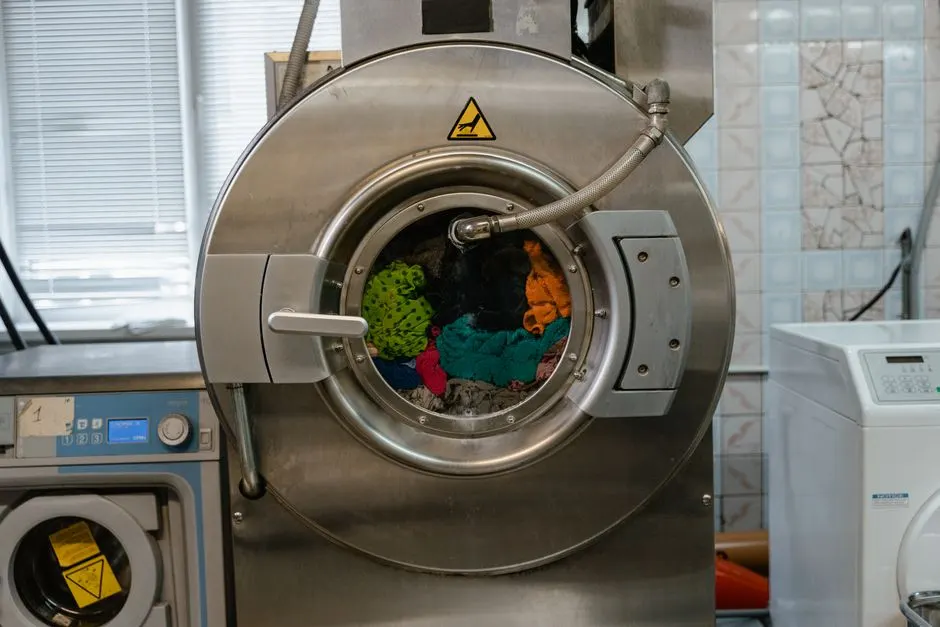
A close-up of an industrial washing machine operating in a laundry facility.
Licensed Licensed & Bonded
Fully Insured Insured & Bonded
24/7 Emergency Same-Day Response
Warranty Backed Workmanship Guaranteed

What Top-Load Service Includes

Our service covers diagnosis, repair of the confirmed washer fault, and an operating check of the affected cycle functions. We inspect related connections when they could contribute to the symptom and explain any additional work before proceeding. Parts, extensive access work, and unrelated appliance repairs are priced separately when needed, so you know what the recommended repair addresses.

Cycle and Control Diagnosis

We reproduce the reported symptom and check the control response, lid operation, fill, agitation, drain, or spin function as appropriate. If an error code appears, we record it and compare it with the washer's behavior rather than treating the code alone as a diagnosis.
Water-System Inspection

We inspect inlet hoses, drain hoses, and accessible water connections when filling, draining, or leakage is involved. Kinks, loose clamps, and restricted flow can imitate a failed component, so we check the path before recommending a pump or valve replacement.

Confirmed Component Repair

Once the fault is isolated, we repair or replace the affected serviceable component, such as a lid switch, drain pump, drive belt, or water inlet valve. We use the washer's model information to match the repair and secure the appliance before testing.

Post-Repair Operation Test

We run the function connected to the original complaint and check for water leaks, unusual noise, and excessive vibration. When the repair affects several stages, we test more than one part of the cycle so you can see the washer fill, drain, and spin as expected.

Top-Load Washer Repair in California


Top-Load Washer Repair in California is an appliance service that diagnoses and fixes mechanical, electrical, and water-flow faults that keep a top-loading washer from cleaning or completing a cycle. We check the complaint, run a controlled test, and inspect the lid switch, drive system, water inlet valves, drain pump, and suspension when symptoms point to those parts. A multimeter helps trace electrical faults, while a socket wrench set and inspection mirror provide access for safe component checks. We confirm the repair with a test cycle rather than relying on a reset alone.

California homes put washers through very different use patterns, from compact apartment laundry closets to high-volume family laundry rooms and shared facilities. Mineral deposits can restrict water flow, while an unlevel floor or worn suspension rods can make a full spin cycle shake hard enough to move the machine. Our top-loading washing machine repair in California addresses problems such as a washer not draining and includes top-load washer repair near me in California for customers seeking local help. We inspect hoses and connections for leaks before returning the appliance to service.

What to Expect During Service

Top-load washer service in California follows a clear sequence: identify the symptom, test the machine, repair the confirmed fault, and verify operation. We keep you informed at each stage and protect the work area around your appliance. Many common repairs take two to four hours once the fault and needed part are confirmed.

01

Schedule

Call or book online — a real human picks up and confirms a 2-hour arrival window.

02

Diagnose

Licensed tech inspects on-site, then walks you through the cause and your options.

03

Fix

The job is completed to code and done right the first time — no shortcuts, no surprises.

04

Guarantee

Every job backed by a written workmanship warranty — and we stand behind it.

Tools and Repair Methods

Tools & Equipment

Multimeter

We use a multimeter to check continuity and electrical readings at switches, valves, and related circuits after disconnecting power for safe access.

Clamp meter

A clamp meter checks current draw during appropriate diagnostic tests, helping us assess whether an electrical load behaves as expected.

Nut driver set

We use a nut driver set to remove and reinstall common cabinet fasteners without damaging panels or leaving loose hardware behind.

Socket wrench set

A socket wrench set provides controlled access to service fasteners and mechanical connections during component inspection and repair.

Inspection mirror

An inspection mirror helps us view tight spaces around hoses, clamps, and cabinet edges where a leak or loose connection may be hidden.

Methods & Standards

Symptom-to-component isolation

We match the reported behavior to the washer's cycle sequence, then test the relevant water, electrical, and mechanical systems. This keeps a no-spin complaint from being treated automatically as a motor failure and helps identify whether drainage, lid sensing, or load balance is the real cause.

De-energize and verify

Before accessing electrical components, we disconnect power and verify the work area is safe for the repair. We restore power only after components, wiring, and panels are secured. This method supports safe troubleshooting and prevents avoidable damage during service.

Cycle-based verification

We test the stage connected to the complaint, then check other affected functions such as fill, agitation, draining, and spinning. A successful reset alone is not proof of repair. We look for normal operation, stable movement, and no fresh leakage during the test.

Connection and level check

When a washer leaks or vibrates, we inspect its hose routing, connection security, and position before concluding that an internal part has failed. Correcting a kink, loose connection, or unstable placement can resolve the symptom without unnecessary component replacement.

When to Call for Service

01

Your washer has a full tub of water and will not advance to the spin stage.

What we do: We check whether the machine can drain, inspect the drain hose and pump path, and verify that the lid switch signals correctly. We test the drive system only if the drain and safety checks pass. The diagnosis distinguishes a water-flow restriction from an electrical or mechanical failure.

→ You get a clear repair recommendation and a confirmed drain-and-spin test, rather than repeated resets that leave water trapped in the tub.

02

A shared laundry-room washer leaks or shakes while several residents need it.

What we do: We identify the exact unit, inspect the water connections and cabinet stability, and isolate the reported fault. In a shared room, we keep the work area orderly and test the appliance after repairs so the property contact can confirm its operating status.

→ The machine returns to service with the leak or vibration addressed, and the property has a straightforward explanation of what was repaired.

03

An older top-loader makes a new grinding noise during agitation or spin.

What we do: We listen during the part of the cycle where the sound occurs and inspect accessible drive components and tub movement. We check whether the noise follows the motor, basket, or load, then explain whether repair is practical based on the confirmed fault and overall condition.

→ You learn what is producing the sound before it worsens, and can compare the repair with replacement using specific findings.

04

A washer will not fill correctly after a move or a change to its water connections.

What we do: We verify the supply, inspect inlet hoses for kinks, and test the water inlet valves and fill response. We also confirm the machine is level and that its drain setup is not creating a siphoning symptom. Any connection issue is corrected and tested through a fill stage.

→ The washer fills to the intended cycle level, and you avoid replacing a valve when a hose or installation issue is responsible.

How Service Works Across California

California top-load washer repair has to account for differences in housing, water conditions, and laundry-room access across a large service area. Coastal homes and apartments can have compact closets and older connections; inland garages may expose machines to greater temperature swings. In colder high-desert areas, a garage supply line can be more vulnerable during a cold snap, while hot, dry summers make checking hoses for brittleness worthwhile. We do not assume one city's setup matches another. Our technicians inspect the actual outlet, supply, drain routing, floor level, and access path before moving or opening a washer. For top-load washer repair for major brands in California, we identify the model and follow the relevant service procedure. Where plumbing or electrical work is involved, we follow applicable local code requirements and California appliance efficiency and water-use requirements. If you notice a leak, close the supply valves when safe and call with the washer's location and symptoms.

Neighborhoods We Serve

  • Coastal apartment laundry rooms

    Compact closets can limit panel access and make hose routing difficult. We plan inspection around the available clearance and check for drips that could affect the unit below.

  • Inland garage installations

    Garage washers face heat, dust, and seasonal temperature swings. We inspect exposed hoses and connections and confirm the machine is stable on the floor before spin testing.

  • Older multi-unit buildings

    Shared plumbing and tight utility spaces require careful attention to shutoffs, drain routing, and work-area access. We verify the individual washer's connections before attributing a symptom to the building system.

  • Regional rental properties

    Turnover and frequent loads can expose worn switches, hoses, and suspension. We record the reported symptom and test the machine after repair so the property contact can confirm operation.

Local Conditions We Plan For

  • Hard water deposits restricting flow at inlet screens

    Reduced fill can lengthen cycles or trigger an error even when the valve still operates. We check flow and the inlet path before recommending a valve, then verify the fill stage after service.

  • Seasonal temperature swings in garage laundry areas

    Exposed hoses and connections can become brittle or stressed over time. We inspect visible lines for cracking, bulging, and strain, and check for leaks while the washer fills and drains.

  • Compact closets with limited appliance clearance

    Restricted access can change how we reach a component and whether the washer needs to be moved. We assess the route and protect surrounding surfaces before pulling the appliance forward for inspection.

From Soaked Loads to Full Spin

Before

A top-loader stopped after rinsing and left water in the tub. The resident restarted the cycle twice, but the machine made no useful progress and towels remained too wet to move to the dryer. The floor was damp near the drain hose, so the technician checked the drain path before assuming a drive failure.

After

The inspection found a restricted drain path and a loose hose connection. After correcting both, the technician ran a drain-and-spin test and confirmed the tub emptied without a fresh drip. The test load completed its spin stage, leaving clothes noticeably better extracted and the laundry area dry.

Maintenance: Keep the drain hose free of kinks and avoid pushing the washer tightly against the wall. Check beneath the machine after the next few loads, especially if it was recently moved.

Before

During spin, the washer shook enough to knock against a nearby cabinet. The owner had reduced load size, but the movement continued with towels and bedding. We checked the floor and leveling first, then inspected the suspension after the washer remained unstable in a controlled spin test.

After

The washer was leveled and worn suspension components were replaced. A balanced test load spun through the cycle without the cabinet walking or striking the adjacent surface. The technician also checked that the supply and drain hoses had enough slack and were not being pulled by machine movement.

Maintenance: Distribute bulky items evenly and avoid washing a single heavy item by itself. Recheck the washer's level if it is moved, and call if strong vibration returns with ordinary balanced loads.

Before

Water appeared near the washer's rear corner during the fill stage, leaving a narrow wet line across the floor. The leak stopped when the cycle ended, so it was easy to miss between loads. The technician used an inspection mirror to trace moisture around the inlet connection and hose.

After

A worn connection was corrected, and the fill cycle was run twice while the rear area was checked for fresh moisture. The washer filled normally and the floor remained dry through the drain stage. The homeowner saw the source and the completed test before service wrapped up.

Maintenance: Leave room behind the washer so hoses do not press against the wall. Inspect visible hose surfaces every few months and check for dampness after moving or reconnecting the appliance.

Fix the Fault Before It Spreads

Small washer symptoms can become larger household problems when water escapes or repeated vibration strains the machine and nearby surfaces. Our California service identifies the cause and checks the affected function after repair. If your top-loader is leaving water behind, making a new noise, or stopping unexpectedly, describe when the fault appears so we can target the inspection.

Problem

Washer fills but leaves clothes soaked after the cycle

Standing water can produce odor, delay laundry, and add strain when the machine repeatedly attempts to drain or spin. A leak may also damage flooring.

Our Fix

We inspect the drain hose and pump path, then test the lid response and spin operation if water remains in the tub. A blocked or damaged drain component is repaired only after the cause is confirmed. We finish by running a drain-and-spin test and checking the floor and hose connections for fresh water.

Problem

The tub shakes violently during a normal load

Repeated shaking can move the washer, loosen connections, and make the laundry area noisy. Continued vibration can also worsen wear on suspension components.

Our Fix

We first check that the washer sits level and that the load is not creating a simple imbalance. If the shaking continues, we inspect the suspension rods and mounting points for wear. After correcting the cause, we test a balanced spin cycle and verify that the cabinet stays stable.

Problem

Water appears beneath the washer during filling

Even a slow drip can swell nearby cabinetry, stain flooring, and create a slipping hazard. A leak that reaches electrical connections requires prompt attention.

Our Fix

We trace the water source from the supply connections through the inlet and drain areas, using an inspection mirror where access is tight. We repair the failed connection or component, then monitor a fill and drain cycle for new moisture. We also check that hoses are routed without kinks or strain.

Problem

Top-loader stops mid-cycle with an error code

Repeated restarts waste water and time without correcting the fault. A stalled cycle can leave detergent in clothing and water in the tub.

Our Fix

We note the displayed code, reproduce the interruption, and test the related control circuit and component. We do not replace a control board based on a code alone. Once the cause is repaired, we run the affected cycle stage and confirm the washer progresses without another stop.

Practical Repairs, Better Wash Days

Practical Repairs, Better Wash Days

A working top-loader should fill to the correct level, agitate, drain, and spin without loud movement or a wet load at the end. We focus on finding the failure point and restoring the functions you use every week. You get a clear explanation of the fault, an upfront price before repair, and a final operating check.

  • Pinpoint the Fault

    We test the washer instead of swapping parts based on a guess. A clamp meter can help identify motor-load concerns, while a multimeter checks continuity at switches and valves. That measured diagnosis helps separate a failed component from a loose connection, blocked hose, or cycle-setting issue, saving time and reducing unnecessary parts.

  • Restore Full Spin

    A washer that leaves clothes dripping usually has a drain, drive, lid-switch, or load-balance problem. We check the cause and test the spin sequence after the repair. For California repair for a top-load washer that will not spin, our goal is a complete rinse-and-spin test with an empty tub and a balanced test load.

  • Protect Floors and Cabinets

    A small leak can swell cabinet edges, stain flooring, and create a slip hazard. We trace water at the inlet hoses, drain hose, and tub connections, then run the washer long enough to check for a repeat drip. Finding the source early is especially useful in tight laundry closets and upstairs installations.

  • Keep Useful Appliances Running

    A repair can make sense when the washer's cabinet and tub remain sound and the failed part is serviceable. We compare the repair need with the machine's condition and explain the practical options. You decide whether to repair or replace, with the fault and expected operation described in plain language.

Training and Safe Work

Licensed & Certified

  • OSHA Workplace Safety Training — issued by Occupational Safety and Health Administration
  • EPA Section 608 Certification for Applicable Refrigerant Work — issued by United States Environmental Protection Agency
  • Manufacturer-Specific Appliance Service Training — issued by Appliance manufacturers and authorized training programs
  • California Appliance Efficiency and Water-Use Requirements — issued by California regulations and applicable authorities

Verified Reviews

Google ★★★★★4.9

The technician found the reason our top-loader kept stopping before the spin cycle and tested the repair before leaving. He explained the lid switch and drain checks clearly. Our clothes came out properly spun on the next load, and there was no water left in the tub.

Yelp ★★★★★4.8

Our washer had a small leak that only showed during filling. The technician traced it to the connection rather than recommending a pump immediately. The repair was explained before the work, and the machine ran through fill and drain without another drip.

Google ★★★★★4.9

The washer was shaking badly even with a smaller load. The technician checked the level and suspension, repaired the actual issue, and ran a test spin. It stayed in place and was much quieter. The practical explanation made it easy to understand what had failed.

Top-Loader Diagnostic Expertise

Top-load washers combine water controls, an agitation system, a lid safety circuit, and a drive assembly, so one symptom can have several causes. We use manufacturer-specific appliance service training and a repeatable diagnostic sequence to avoid replacing parts by guesswork. Our technicians follow OSHA workplace safety training for safe handling and work practices. EPA Section 608 certification applies to technicians handling regulated refrigerants in applicable appliances; ordinary washer repairs do not involve refrigerant service. We also account for California appliance efficiency and water-use requirements where applicable and follow local plumbing and electrical code compliance for connected work.

  • We diagnose Whirlpool, Maytag, LG, Samsung, GE Appliances, and other listed major brands using model-specific symptoms and service procedures.
  • Electrical checks use a multimeter to verify continuity and voltage at the affected circuit before a component is replaced.
  • We inspect inlet hoses, drain hoses, and water connections for wear, kinks, drips, and secure routing during relevant repairs.
  • A controlled test cycle confirms the original complaint is resolved, including drain, spin, fill, and lid-lock behavior.
  • We use an appliance dolly when moving a washer is necessary, protecting floors and reducing risk during access.
Get Started Today
Top-Loader Diagnostic Expertise

Cities We Serve Across California

We deliver top-loading washing machine repair in California across coastal, inland, and regional communities. Our service coverage includes the cities below, with each visit focused on the machine's model, reported symptom, and laundry-room setup. Tell us whether the washer leaks, fails to drain, or stops before spinning when you call. That detail helps us prepare for a targeted inspection and get your laundry back on schedule.

San Diego

We diagnose top-loaders in homes and compact laundry spaces, checking water connections and drainage before testing the cycle that fails.

Stockton

Our service checks fill, drain, and spin faults common to busy household laundry rooms, with a post-repair test for leaks and vibration.

Chula Vista

We inspect the washer's symptom and access conditions, then test the repaired function so the appliance is ready for regular household loads.

Hemet

For garage and utility-room installations, we check hose condition, machine level, and the reported cycle problem before recommending parts.

Palmdale

We trace no-fill, no-spin, and leak complaints to the affected component, then verify operation through a controlled test cycle.

Santa Maria

Our technicians assess top-load washers in homes and rental properties, checking drainage and water connections where the symptom points.

Berkeley

For compact laundry areas, we plan access carefully and inspect the lid, drain, and fill systems before opening the washer.

Menifee

We address shaking, incomplete cycles, and leaks by checking the washer's level and relevant mechanical or water-system components.

San Mateo

Our team handles top-load washer faults in tight laundry closets, checking hose routing and confirming the repaired cycle before finishing.

Carson

We diagnose the reported problem, explain the needed repair, and run the washer through the affected function to verify results.

San Ramon

Service includes checks for fill problems, drainage, and spin vibration, with attention to stable placement and safe hose connections.

Rancho Cordova

We inspect top-loaders in garages and indoor laundry rooms, identifying whether a cycle fault comes from a connection, switch, or drive part.

Alameda

Our technicians check leaks and drainage in compact or shared laundry spaces, then monitor the washer during a test cycle.

Lake Elsinore

We address noisy spins, standing water, and interrupted cycles with a symptom-led diagnosis and a final operating check.

Union City

We service top-load washers in residential laundry areas, checking the relevant controls, water path, and machine stability before completion.

Frequently Asked Questions

Real answers to the questions we hear most often from local homeowners and property managers.

How much does top-load washer repair cost in California?
Most top-load washer repairs cost $180 to $450 in 2026, with the final price based on diagnosis, parts, and access. A straightforward switch or hose repair usually costs less than a control or drive-system replacement. We test the washer, identify the failed component, and give you the repair price before work proceeds. Common repairs take about two to four hours, while parts availability can affect completion time.
Why is my top-loading washing machine not spinning?
A top-loading washer often stops spinning because it cannot drain, the lid switch is not registering, the load is unbalanced, or a drive component has failed. First, check whether water remains in the tub and whether the lid closes fully. We test the drain path and lid circuit, then inspect the drive system if needed. California repair for a top-load washer that will not spin should include a spin test after the repair.
Can a top-load washer agitator be repaired in California?
Yes, a top-load washer agitator can often be repaired or replaced when its splines, dogs, or attachment are worn and the surrounding drive system is sound. We inspect how the agitator moves during a wash cycle and check the related drive components before recommending parts. Top-load washer agitator repair in California usually takes one to three hours, depending on model access and the parts required.
Where can I find top-load washer repair near me in California?
California Washer Repair serves customers across California, including San Diego, Stockton, Chula Vista, Berkeley, and San Mateo. Call +18665940052 with your city, washer brand, and symptom so we can direct your request to the appropriate service coverage. For same-day top-loading washing machine repair California, tell us whether the washer is leaking, full of water, or stopping mid-cycle when you call.

Explore Related Laundry Services

Washing Machine Repair

Our broader washing machine service covers faults across different washer styles, not only top-load models. If you are unsure which design you own or the problem involves controls, drainage, or water supply, we diagnose the appliance type and route the repair to the right procedure.

View Washing Machine Repair

Front-Load Washer Repair

Front-load models use a door lock and door boot seal rather than a top lid and agitator. We handle leaks, drainage, vibration, and door-lock faults with the access and checks those machines require. Choose this service if your washer loads through a front-facing door.

View Front-Load Washer Repair

High-Efficiency Washer Repair

High-efficiency top-loaders use different wash actions and water levels from traditional agitator models. We check cycle settings, load balance, water flow, and control behavior before identifying a part fault. This service suits customers whose efficient washer leaves residue, stops early, or fails to extract water.

View High-Efficiency Washer Repair

Stackable Washer Repair

Stacked laundry units need careful access because the washer sits beneath or beside a dryer in a compact installation. We assess clearances and safe movement before testing the washer. If a top-loader is installed separately in a tight closet, our standard service accounts for the space around it.

View Stackable Washer Repair

Washer-Dryer Combo Repair

A washer-dryer combo shares one cabinet and may use different controls and service access than a standalone top-loader. We diagnose its wash and dry functions separately, then explain whether the fault affects water handling, tumbling, or heat-related operation. This service is for combined units.

View Washer-Dryer Combo Repair

Commercial Washer Repair

Shared laundry rooms and business facilities need dependable equipment and clear fault reporting. We inspect commercial washer symptoms, water connections, cycle behavior, and repeated-use wear. If a property has both commercial units and residential top-loaders, we identify each machine and apply the correct service procedure.

View Commercial Washer Repair

Book Top-Load Washer Repair in California

A washer that will not drain, spin, or stop leaking needs a clear diagnosis before laundry piles up. Call California Washer Repair at +18665940052 and tell us the brand, city, and symptom. Our technicians explain the fault and price before repair.

Call Today Book Service

Contact California Washer Repair

Tell us what your washer is doing and where you are in California. Call +18665940052 to discuss the symptom, share the make and model, and arrange a service time. Our phone line is open Monday through Friday, 8:00 a.m. to 6:00 p.m.; for an active leak, mention it first so we can address the immediate risk.

Or call us right now at +18665940052 — we answer.

California Washer Repair


  • Phone

    +18665940052
  • Address

    California

  • Hours

    Mon–Fri: 7AM – 7PM
    Sat: 8AM – 4PM
    Sun: Emergency Only
    24/7 Emergency Available

Call +18665940052 Get Quote
Call Quote