Logo
Get Estimate

Washer Diagnostics and Troubleshooting in California

Find the fault before replacing parts or appliances


Washer Diagnostics and Troubleshooting in California helps you get to the cause of a leak, failed spin, drain problem, or confusing error code before replacing parts. Our team checks residential and commercial machines across the state, explains what the tests show, and identifies the repair path. If a cycle has stopped or water is on the floor, washing machine fault diagnosis in California gives you a clear next step.

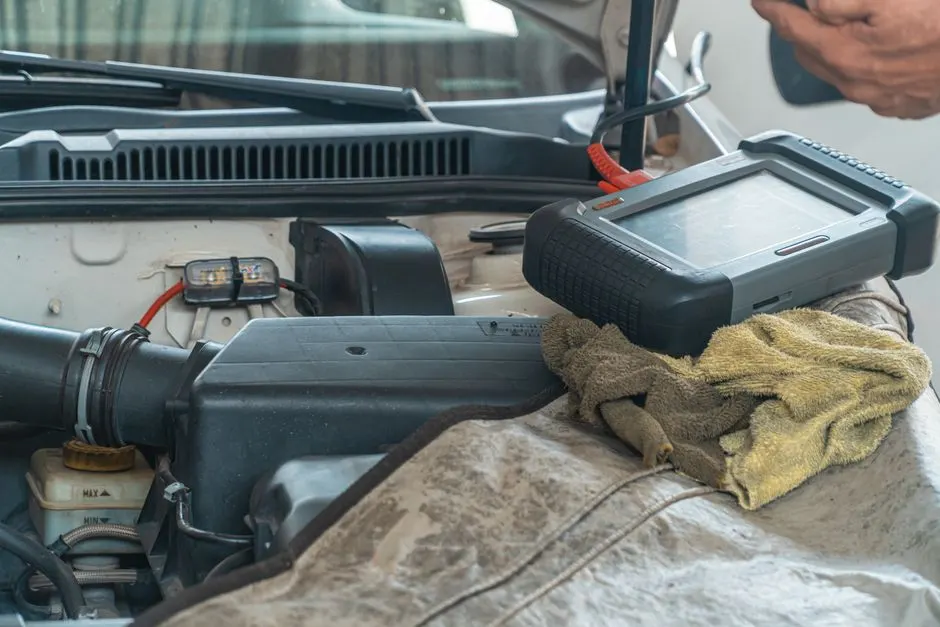
Close-up of a car engine inspection using a diagnostic tool in a garage setting, showcasing automotive maintenance and repair.
Licensed Licensed & Bonded
Fully Insured Insured & Bonded
24/7 Emergency Same-Day Response
Warranty Backed Workmanship Guaranteed

What Washer Diagnostics Includes

Our diagnostic visit focuses on finding and explaining the fault: symptom review, visual inspection, targeted electrical or water-flow checks, and a functional test where practical. We identify the likely repair and explain the price before approved repair work. Replacement parts, extensive disassembly, and additional repairs are handled as repair work rather than assumed as part of diagnosis, so you know what each next step addresses.

Symptom and Code Review

We record what the washer does, which cycle fails, and any displayed code or unusual sound. Model information helps us interpret the symptom accurately. This review gives the inspection a clear starting point and helps avoid testing unrelated systems.

Targeted Component Checks

We inspect the water supply and drainage path, electrical connections, and components linked to your complaint. If the washer will not drain, for example, we follow the drain route and test the relevant function rather than replacing a pump by assumption.

Finding and Repair Direction

You receive a plain-language explanation of the likely cause and the repair that addresses it. We distinguish a confirmed test result from a possible contributing condition, so you can decide whether to proceed with the recommended work.

Post-Repair Function Test

After an approved repair, we test the washer against the original complaint. Depending on the problem, that can mean checking fill, drain, spin, or a complete cycle segment. We look for leaks and abnormal movement before wrapping up.

Washer Diagnostics and Troubleshooting in California


Washer Diagnostics and Troubleshooting in California is a diagnostic service that tests a washing machine's electrical, water-flow, drainage, and mechanical systems to identify why it is malfunctioning. We start with your symptoms and model information, then inspect the relevant components instead of guessing from an error code alone. A multimeter checks electrical continuity and voltage; a visual inspection checks hoses, connections, and signs of wear. We report the likely fault, explain the repair options, and test the machine again after approved work.

Across California, changing temperatures, hard-water conditions, compact laundry closets, and older plumbing connections create different washer symptoms. A machine that will not fill might have a supply restriction or a failed water inlet valve; a washer that will not drain needs checks of its filter, hose, and pump. Our washing machine troubleshooting service California customers use also helps when a unit stops mid-cycle. For a machine that pauses repeatedly, we can diagnose a washer that stops mid-cycle in California by checking the door lock, load balance, and cycle-related faults.

What Happens During Diagnosis

Washer Diagnostics and Troubleshooting in California follows a clear sequence: symptom review, safe inspection, targeted testing, findings, and a functional check after repair. We ask you to describe what happened and when, then work through the evidence. Most diagnostic visits take about 45 to 90 minutes, depending on access and the fault.

01

Schedule

Call or book online — a real human picks up and confirms a 2-hour arrival window.

02

Diagnose

Licensed tech inspects on-site, then walks you through the cause and your options.

03

Fix

The job is completed to code and done right the first time — no shortcuts, no surprises.

04

Guarantee

Every job backed by a written workmanship warranty — and we stand behind it.

Tools and Diagnostic Methods

Tools & Equipment

Digital multimeter

We use a multimeter to check continuity and electrical readings in relevant circuits, such as a door lock or lid switch. Measurements help distinguish an open circuit from a symptom caused by water flow or mechanical resistance.

Clamp meter

A clamp meter measures current draw without interrupting a conductor. When a washer's motor or pump behavior is in question, readings can support the diagnosis alongside cycle observation and other safety checks.

Nut driver set

Nut drivers provide controlled access to service panels and fasteners during inspection. The right fit reduces the risk of damaging cabinet hardware while allowing us to reach the area linked to the reported fault.

Inspection mirror

An inspection mirror helps us see connections and damp areas behind or below a washer when direct sight is limited. It is useful for tracing a leak without moving the appliance unnecessarily.

Hose clamp pliers

When a drain or inlet connection requires inspection, hose clamp pliers let us handle the clamp with control. We check the connection and hose condition, then secure it correctly as part of approved service work.

Methods & Standards

Symptom-to-system isolation

We start with the failed action, such as filling, draining, locking, or spinning, and test the system responsible for that action. This keeps the inspection focused. A washer that will not fill, for instance, needs water-flow and inlet checks before we conclude that an electronic component is at fault.

Controlled cycle reproduction

When safe, we run the relevant portion of a cycle and observe when the fault appears. The timing can help distinguish a fill problem from a drain or spin failure. We stop the test if leaking, electrical risk, or severe vibration makes continued operation unsafe.

Model-aware code interpretation

We use the machine's model information and displayed code as diagnostic clues, then verify the implicated function. This avoids treating a code as a parts order. The inspection considers the actual behavior, connections, and accessible service information for the appliance.

Repair verification

After approved repair, we test the function that originally failed and check the surrounding area for leaks or abnormal operation. Verification is matched to the reported complaint: a drain repair gets a drain check, while a spin complaint gets a relevant spin observation.

When to Book a Diagnosis

01

Your washer completes a wash but leaves clothes soaking wet after the spin cycle.

What we do: We check whether the washer is draining fully, whether the load is balancing, and whether the spin function is responding correctly. The symptom review and targeted tests help separate a drain restriction from a spin-related failure. We explain the confirmed issue before repair.

→ You learn why the clothes remain wet and what will restore a proper drain and spin, rather than paying for an unrelated component.

02

A leak appears under the machine only after a rinse or drain phase.

What we do: We run the relevant part of the cycle when safe and trace the water along the drain route and nearby connections. We inspect the floor and hose placement, isolate the source, and recommend a repair that addresses the point where water escapes.

→ You get a specific leak source and a checked repair, reducing the chance of another puddle after the next load.

03

Your machine flashes an unfamiliar code and stops before the load is finished.

What we do: We record the code and model information, then compare the display with the actual cycle behavior. Targeted electrical and functional checks help determine whether the code reflects a failed component, interrupted supply, or another washer condition.

→ You understand what the code means for your machine and whether it needs repair before you run another cycle.

04

A newly installed washer will not fill, drain, or sit steadily during operation.

What we do: We assess the installation conditions alongside the washer's function, including water access, drain routing, and stability. That separates a setup issue from an appliance fault and helps us identify the correct adjustment or repair without unnecessary part replacement.

→ You find out whether the problem is the machine or its setup, with a clear path to safe, normal operation.

How Diagnostics Work Across California

Washer Diagnostics and Troubleshooting in California must account for varied home layouts, weather, water conditions, and local installation requirements. Coastal air can contribute to corrosion around exposed connections, while hot inland summers can make a laundry closet warmer and less comfortable to work in; neither condition proves a washer fault, so we inspect the actual appliance. Older homes may have narrow access or legacy drain arrangements, while newer apartments often place machines in compact closets with limited shutoff access. Our washing machine fault diagnosis in California begins with the washer model and symptom, then checks the supply, drain, electrical connection, and safe access. Where a repair touches plumbing or electrical work, we follow applicable local code requirements and California appliance efficiency and water-use requirements where relevant. In winter, we also ask whether an unusually cold utility area or supply interruption preceded the problem. For washing machine troubleshooting and repair assessment California households need, the result is a fault-specific explanation and a functional check after approved work.

Neighborhoods We Serve

  • South San Francisco

    Compact utility closets and multi-unit buildings can restrict access to shutoffs and drain connections, so we plan the inspection around safe appliance access.

  • Burbank

    Homes with older laundry layouts may have tight clearances behind the washer. We check hose routing and the visible floor area before moving the machine.

  • Santa Barbara

    Coastal conditions can affect exposed metal connections over time. We inspect the actual fittings and water path rather than assuming corrosion is the cause.

  • Clovis

    Warm inland laundry spaces can make a long cycle test uncomfortable and delay symptom reproduction. We focus testing on the failed stage to keep the visit efficient.

Local Conditions We Plan For

  • Coastal moisture around exposed washer connections

    Moisture can make corrosion or dampness worth checking, but it does not confirm the leak source. We trace fresh water during a controlled test and inspect the affected connection before recommending repair.

  • Compact apartment laundry closets with limited working clearance

    Restricted access can affect how quickly panels and hoses can be inspected. We assess the available space and shutoff access first, then use targeted tests to avoid moving the washer unless safe diagnosis requires it.

  • Seasonal cold affecting laundry areas and water supply

    During cold spells, a supply restriction or unusually cold utility area can coincide with slow filling. We check water flow and the washer's inlet behavior before concluding that an internal component has failed.

Stopped Before the Spin

Before

A front-load washer repeatedly stopped with water in the drum, leaving laundry too wet to transfer to the dryer. The display showed an unfamiliar code, but resetting the machine did not solve it. The owner was concerned the control board had failed and wanted to avoid replacing a costly part without evidence.

After

We checked the model and reproduced the failure at the drain stage, then traced the restriction through the drain path. After the approved correction, the washer drained and completed the relevant spin test without stopping. The owner had a specific explanation for the fault rather than a guess based on the code.

Maintenance: Check the drain hose for crushing or kinks when moving laundry equipment, and follow the manufacturer's guidance for filter cleaning. If water remains after a cycle again, stop repeated resets and note the code and cycle stage.

Before

A top-load washer left a wet patch near the wall after rinse cycles. The leak was intermittent, so the owner could not tell whether it came from the water supply or the drain. Running more loads risked spreading water beneath the machine and into nearby storage.

After

We observed the washer during the affected stage and traced the water to a loose drain connection. After repair, we ran a controlled drain test and checked the floor and connection again. The leak did not recur during testing, and the owner knew which part of the cycle had caused it.

Maintenance: Keep the washer's drain route visible where possible and check the floor after the first load following any equipment move. If moisture returns, note whether it appears during fill, wash, or drain so the source can be isolated quickly.

Before

A washer shook hard during high-speed spin and shifted several inches from its normal position. The noise had grown over multiple weeks, and the owner was worried that continuing to run it would damage the floor or nearby hoses.

After

We observed the spin behavior and checked the washer's stability and load response. The diagnosis identified a correctable setup condition, and after adjustment the test load completed a spin without the previous movement. The customer received a practical explanation of what to monitor on future loads.

Maintenance: Keep loads balanced and avoid packing the drum tightly. After cleaning or moving the washer, check that it remains stable and that hoses are not pulled taut. Stop the cycle if severe shaking returns.

Resolve Washer Faults Before They Grow

Washer Diagnostics and Troubleshooting in California helps when one symptom has several possible causes. A delayed cycle, standing water, or a shaking cabinet can point to different systems. We test the condition that failed, explain what the results mean, and guide you toward a repair based on evidence.

Problem

Washer stops mid-cycle with water still inside the drum

Repeated resets can leave wet laundry trapped and put extra strain on the machine. Standing water also makes it harder to identify whether the fault is draining or cycle control.

Our Fix

We note the point in the cycle where the washer stops, inspect the drain path, and test related safety and control conditions. The findings separate a blocked or restricted drain from an electrical or lock-related fault. We explain the repair route and verify the machine advances through the affected step after approved work.

Problem

A washer leaks only during fill or drain

Water can travel beneath flooring or cabinets before a puddle becomes obvious. Running repeated cycles without locating the source increases the chance of damage and obscures the leak path.

Our Fix

We identify whether the leak appears during filling, agitation, or draining, then inspect the matching connections and hose route. A controlled test helps us trace the water to its source. We recommend the repair that stops the leak and check the connection again before leaving.

Problem

The washer vibrates heavily during spin and shifts position

Excess movement can strain nearby hoses and create loud impacts. If the cause is not corrected, the washer may interrupt a cycle or damage surrounding surfaces.

Our Fix

We observe the spin behavior and check the washer's stability, load response, and suspension-related symptoms. The diagnosis helps distinguish an uneven load or installation condition from a mechanical issue. We explain what needs adjustment or repair, then confirm the machine runs more steadily.

Problem

Washer displays an error code but still appears to run

Ignoring a recurring code can allow a minor restriction or failing component to become a larger interruption. A code alone also does not show whether the machine is safe to continue using.

Our Fix

We match the displayed code to the model and the washer's actual behavior, then test the system it identifies. If the code points to a fill, drain, or locking condition, we check the related path and connections. You get a clear finding and advice on whether to stop using the machine until repair.

Know the Fault, Choose the Fix

Know the Fault, Choose the Fix

A focused diagnosis saves time and helps prevent unnecessary part changes. We connect the symptom to test results, so you know whether the issue is electrical, mechanical, or related to water supply. You get practical findings and a repair direction, not a parts list based on guesswork.

  • Avoid Guesswork Repairs

    We test the failed function before recommending a component. If your washer is not spinning, we check the cycle conditions and relevant drive or lid-safety components rather than assuming the motor has failed. That distinction matters: the correct diagnosis can prevent an unnecessary replacement and get your laundry routine back on track.

  • Catch Leaks Early

    A small puddle can come from an inlet connection, drain hose, door seal, or an overfill condition. We trace the water path, run a controlled test, and identify where it starts. Finding the source early helps protect flooring and nearby cabinets, particularly in tight laundry closets and upper-floor apartments.

  • Understand Error Codes

    A displayed code points toward a condition; it does not always name a failed part. Our California washer diagnostics and troubleshooting checks the code against the machine's behavior, wiring, and water flow. You receive an explanation in plain language, including whether a reset, cleaning, adjustment, or component repair is the sensible next move.

  • Plan Repair With Clarity

    Once testing identifies the fault, we explain the repair and its expected effect before moving ahead. You can compare the repair path with the age and condition of your washer. If the machine is worth fixing, the diagnosis guides the work; if not, you have useful findings for a replacement decision.

Training and Service Standards

Licensed & Certified

  • OSHA workplace safety training — issued by Occupational Safety and Health Administration
  • EPA Section 608 certification for applicable refrigerant handling — issued by U.S. Environmental Protection Agency
  • Manufacturer-specific appliance service training — issued by Appliance manufacturers
  • California appliance efficiency and water-use requirements — issued by Applicable California regulatory authorities

Verified Reviews

Customer feedback Not stated

A homeowner in Santa Ana described a washer that stopped before spinning. The technician checked the cycle and the door-lock function, explained what the result meant, and confirmed the machine completed the test after repair. The customer valued getting a diagnosis before parts were replaced.

Customer feedback Not stated

A customer in Concord reported an intermittent leak after rinse. The technician traced the water to the drain connection and checked it during a controlled test. The review highlighted the clear explanation and the fact that the floor remained dry through the next loads.

Customer feedback Not stated

A Burbank homeowner called about heavy shaking during spin. The technician inspected stability and load behavior, then described the corrective step without recommending an unrelated major part. The customer said the washer completed its spin more quietly after service.

Diagnostic Skill, Applied Carefully

Our technicians work through washer symptoms methodically across common household and commercial models. Manufacturer-specific appliance service training supports model-aware testing for Whirlpool, Maytag, LG, Samsung, GE Appliances, Frigidaire, Electrolux, Bosch, Speed Queen, and Amana machines. We use OSHA workplace safety training practices when handling heavy equipment and electrical access. EPA Section 608 certification applies to technicians handling regulated refrigerants in applicable appliances; it is not a washer diagnostic credential. We also account for California appliance efficiency and water-use requirements where applicable, along with local plumbing and electrical code compliance.

  • We compare the displayed code with the actual symptom and model-specific test sequence instead of treating every code as a confirmed failed part.
  • Our technicians use electrical measurements and visual inspection to distinguish an open circuit from a blocked drain or restricted water supply.
  • We assess both compact laundry installations and full-size machines, including access, hose routing, floor stability, and safe movement.
  • When a washer is noisy or shaking, we check load balance and suspension-related evidence before attributing the problem to a major assembly.
  • We explain the diagnostic finding in everyday terms and connect it to a practical repair or replacement decision.
Get Started Today
Diagnostic Skill, Applied Carefully

Cities We Serve Across California

We provide Washer Diagnostics and Troubleshooting across California, with service coverage shaped around local routes and the appliance setup at each property. Our technicians visit homes and businesses in coastal, inland, and urban communities, from compact apartment laundry spaces to detached-home utility rooms. California washer diagnostics and troubleshooting starts with your washer's brand, model, and symptom, then follows the evidence to a clear repair direction. These 15 cities are part of our service area.
Concord

In Concord, we investigate fill, drain, and spin complaints with checks matched to the machine and laundry-room setup, then explain the repair path.

Santa Ana

Santa Ana customers get symptom-led testing for leaks, failed cycles, and error codes, with the original washer function checked after approved repair.

Santa Barbara

For Santa Barbara homes, we inspect the washer and its exposed connections directly, tracing any moisture to its source instead of assuming a coastal cause.

Garden Grove

Our Garden Grove diagnostics address common drain, fill, and vibration problems in both full-size laundry rooms and compact household installations.

Fairfield

In Fairfield, we check the cycle stage and water path when a washer stops, leaks, or leaves clothes wet, then report the finding clearly.

Clovis

Clovis service focuses on the failed washer function, using targeted checks to distinguish a water-supply issue from an internal component fault.

Temecula

Temecula homeowners can book diagnosis for noisy spins, recurring codes, and intermittent leaks; we verify the affected function after repair.

Burbank

In Burbank, our team works with tight laundry access and older layouts, checking hose routing and washer behavior before recommending parts.

Arden-Arcade

Arden-Arcade visits begin with the model and symptom, followed by focused testing for drainage, filling, locking, or spin-cycle trouble.

Citrus Heights

We diagnose Citrus Heights washer problems by reproducing the reported cycle failure where safe and checking the relevant electrical or water-flow system.

Buena Park

Buena Park service covers washers that will not drain, fill, or complete a cycle, with repair recommendations tied to diagnostic findings.

Milpitas

For Milpitas households, we assess compact laundry installations and access before testing the reported fault, helping avoid unnecessary appliance movement.

Lodi

Lodi customers receive focused diagnosis for leaks, unusual noise, and failed spin cycles, followed by a relevant functional check after approved work.

Redondo Beach

In Redondo Beach, we inspect the actual washer connections and symptoms when moisture or corrosion is a concern, then identify the confirmed fault.

South San Francisco

South San Francisco service accounts for tight apartment laundry closets and limited clearances, prioritizing safe access and targeted component checks.

Washer Diagnosis Questions, Answered

Real answers to the questions we hear most often from local homeowners and property managers.

How much does washer diagnostics cost in California?
A diagnostic visit commonly costs $90 to $160 in California in 2026, with repair parts and labor priced separately. The final amount depends on access, machine type, and whether testing requires disassembly or an extended cycle. We explain the diagnostic charge and repair pricing upfront. If you share the brand, model, and symptom when calling, we can tell you what information will help prepare for the visit.
Can a technician diagnose my washing machine before repairing it?
Yes, we test the washer first, explain the fault, and get your approval before repair work begins. Diagnosis may include checking supply and drain flow, measuring electrical continuity, reading an error code, or reproducing the failed cycle. A washing machine troubleshooting and repair assessment California customers request is intended to distinguish the cause from the visible symptom, so you can decide whether to proceed.
What does a washer error code mean?
A washer error code identifies a detected condition, but it does not always confirm which part has failed. The same code can result from restricted water flow, a door-lock issue, wiring, or another model-specific condition. We check the code against the machine's model and behavior, then test the relevant system. Turn off the washer if it is leaking or repeatedly stopping with water inside.
Where can I find washing machine troubleshooting near me in California?
California Washer Repair provides statewide diagnostic coverage, including Concord, Santa Ana, Fairfield, Clovis, and South San Francisco. Tell us your city, washer brand, and main symptom when you call +18665940052. We can help identify the likely diagnostic path and arrange service for the area. For a washer displaying an error code, a photo of the display and model label is useful.

Related Washer Services

Washing Machine Repair

When diagnosis confirms a failed component, washing machine repair completes the work needed to restore normal operation. We connect the test result to the repair, then check the original symptom again. This avoids treating a drain, spin, or fill problem as a generic repair.

View Washing Machine Repair

Front-Load Washer Repair

Front-load symptoms often involve door locking, drainage, vibration, or moisture around the door area. We diagnose the specific behavior first, inspect relevant seals and connections, and test the affected cycle. You get a repair direction matched to your front-load model.

View Front-Load Washer Repair

Top-Load Washer Repair

A top-load washer that will not spin, fill, or advance needs targeted checks of its lid safety, water supply, and cycle behavior. We use the diagnostic findings to guide repair, then run the relevant function so you can see whether the original symptom has cleared.

View Top-Load Washer Repair

High-Efficiency Washer Repair

High-efficiency machines rely on correct loading, water sensing, and cycle control. Diagnosis separates a use-related condition from a mechanical or electrical fault. We explain what the test indicates and complete the repair that addresses the confirmed cause.

View High-Efficiency Washer Repair

Stackable Washer Repair

Stacked laundry units can be difficult to access in closets and narrow utility spaces. We assess safe access before testing, then focus on the reported fault without unnecessary movement. The diagnostic result helps identify whether a repair can be completed in place.

View Stackable Washer Repair

Washer-Dryer Combo Repair

Combo units combine wash and dry functions, so a problem can appear in one phase while affecting the whole cycle. We identify which function fails, test the relevant controls and water path, and explain the repair route for the combined appliance.

View Washer-Dryer Combo Repair

Get Washer Diagnostics and Troubleshooting in California

Stop guessing at the cause of a leak, code, or unfinished cycle. We test the washer, explain the fault, and give you a clear next step. Call California Washer Repair at +18665940052 to book a diagnostic visit.

Call Now Book a Visit

Contact California Washer Repair

Tell us what your washer is doing and where you are in California. Call +18665940052 to discuss the symptom, share the make and model, and arrange a service time. Our phone line is open Monday through Friday, 8:00 a.m. to 6:00 p.m.; for an active leak, mention it first so we can address the immediate risk.

Or call us right now at +18665940052 — we answer.

California Washer Repair


  • Phone

    +18665940052
  • Address

    California

  • Hours

    Mon–Fri: 7AM – 7PM
    Sat: 8AM – 4PM
    Sun: Emergency Only
    24/7 Emergency Available

Call +18665940052 Get Quote
Call Quote