Residential Washer Repair for Pleasant Hill Homes
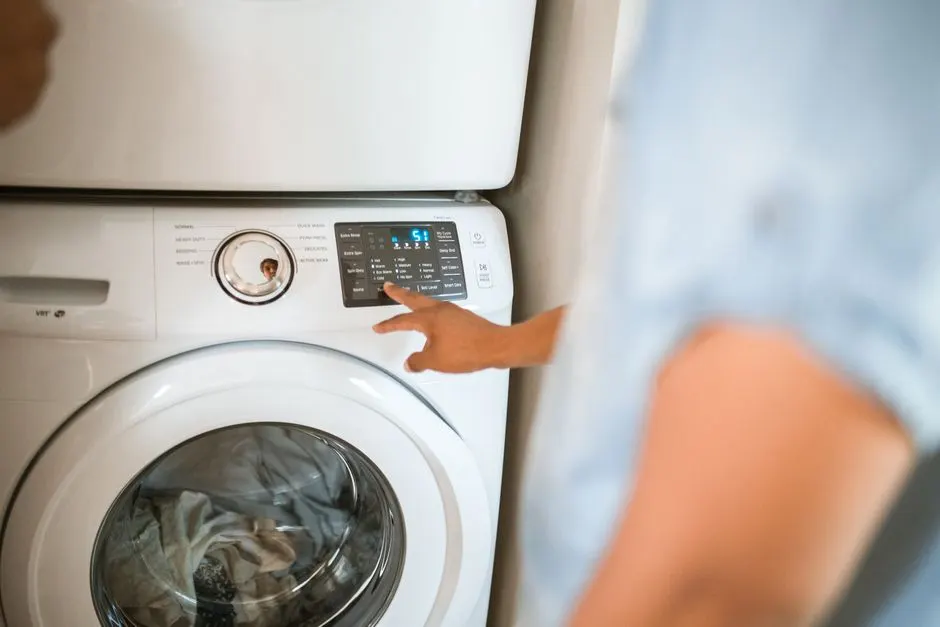
Pleasant Hill homes range from established single-family properties with garage laundry areas to condos and townhomes with machines tucked into closets. Our residential washer repair begins with your symptom and the appliance model, then checks the point in the cycle where the problem occurs. A leaking inlet connection needs a different response from a drum that will not spin, and access varies between a garage installation and a stacked upstairs unit. We work around family schedules and protect floors and nearby stored items during the visit. If you have a full drum, an active leak, or laundry waiting for a school or work week, tell us what happened and whether the shutoff is reachable. We diagnose, explain the repair, and test the affected function so you can return to normal laundry use with a clear result.
- In-home washer diagnosis — We inspect your Pleasant Hill washer where it is installed, ask when the symptom occurs, and test the relevant cycle. Whether water remains in a front-loader or a top-loader will not spin, we look for the cause before proposing a repair. We protect the surrounding floor and check the appliance again after work.
- Front-load leak and drain repair — A front-load washer can leak at a hose, drain route, dispenser, or door boot seal. In Pleasant Hill homes, a tight closet can make inspection access limited, so we plan the work area before opening the machine. We identify the source, repair the failed component when appropriate, and check for fresh water during testing.
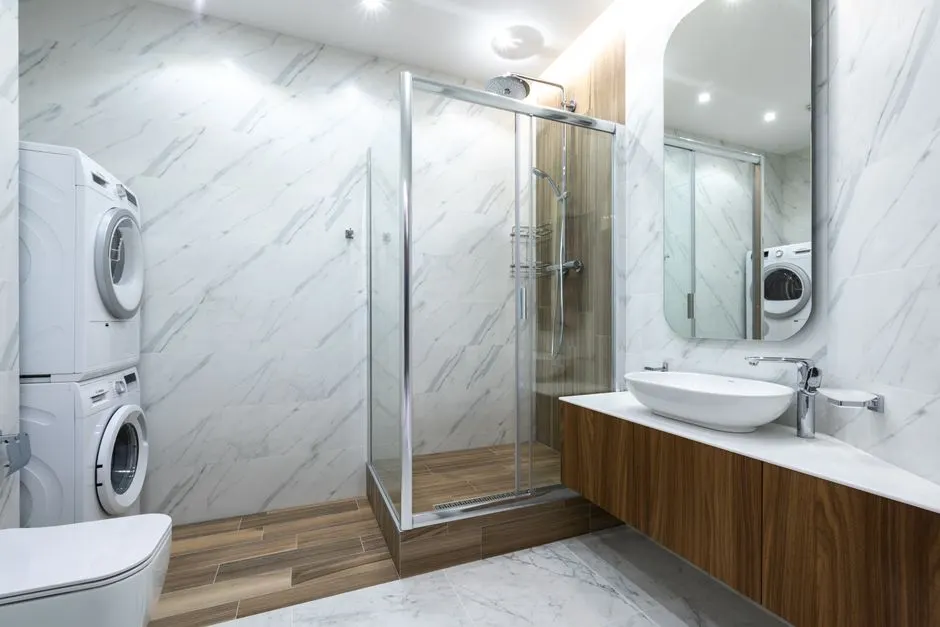
- Stacked laundry service — Stacked units save space in Pleasant Hill condos and remodeled homes but need careful access. We ask about closet width, stairs, and building rules before the visit, then assess whether the washer can be serviced in place. After repair, we confirm the unit is stable and the tested cycle runs without the original fault.
- Washer installation and replacement — When you install or replace a washer in Pleasant Hill, we check the space, door clearance, shutoffs, drain path, and outlet before connecting it. We level the appliance, inspect the inlet hoses, and run a test fill and drain. This catches movement or leaks before you start a full household load.