
Residential Washer Repair for Oakley Homes
Oakley residential laundry setups range from garage utility areas and dedicated laundry rooms to stacked machines in compact closets. A washer problem affects more than the appliance: it can interrupt school uniforms, work clothes, towels, and bedding for the whole household. We repair washers in single-family homes, townhomes, and apartments, checking the machine and its connections in their actual setting. If your washer leaks, stops spinning, or will not drain, tell us when the symptom occurs and whether the load was balanced. Our front-load washer repair includes checks of the door, seal, and drain system; top-load visits include the lid and spin sequence as needed. We protect the access route, work around your home's layout, and run an operating test before the visit is complete.
- Home washer fault diagnosis — We trace the symptom in your Oakley home by checking the cycle stage, water flow, drain performance, and relevant controls. If your washer displays an error code, share it when booking. We test the suspected system and explain the finding before moving to a repair, so a household fault is not treated as a guess.
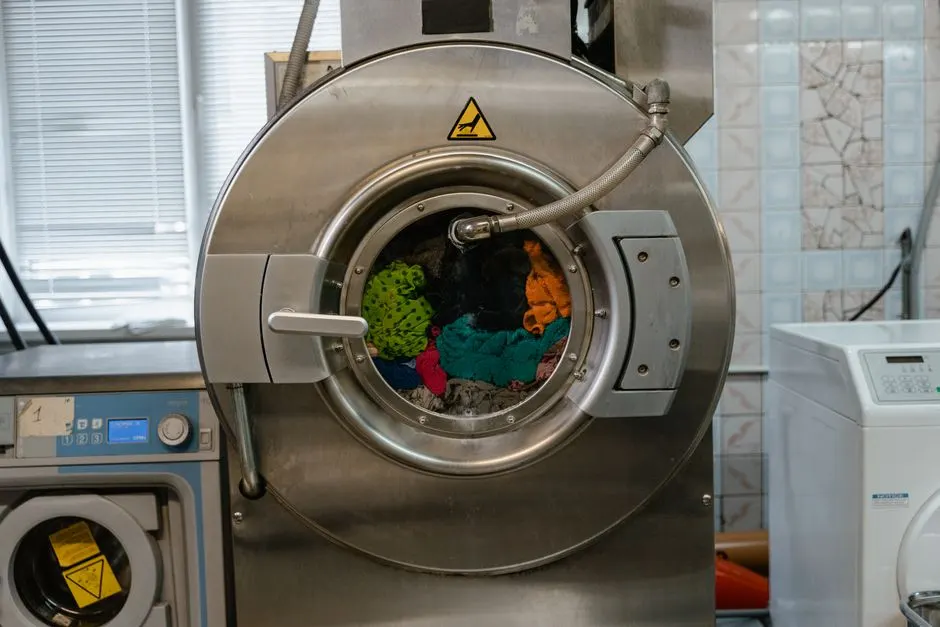
- Front-load seal and drain repair — For a front-loader in Oakley, we inspect the door boot seal, door lock, pump, and drain path when water or odor appears. We identify whether the issue is a torn seal, retained water, or a drainage fault. After service, we run a wash or drain test and check the floor for seepage.
- Top-load spin and fill service — When a top-loader will not fill, agitate, or spin, we test the relevant cycle function and inspect the lid switch and water supply as needed. We work carefully around garage storage and utility sinks common in residential setups. The washer is checked again after repair to confirm it advances through the affected stage.
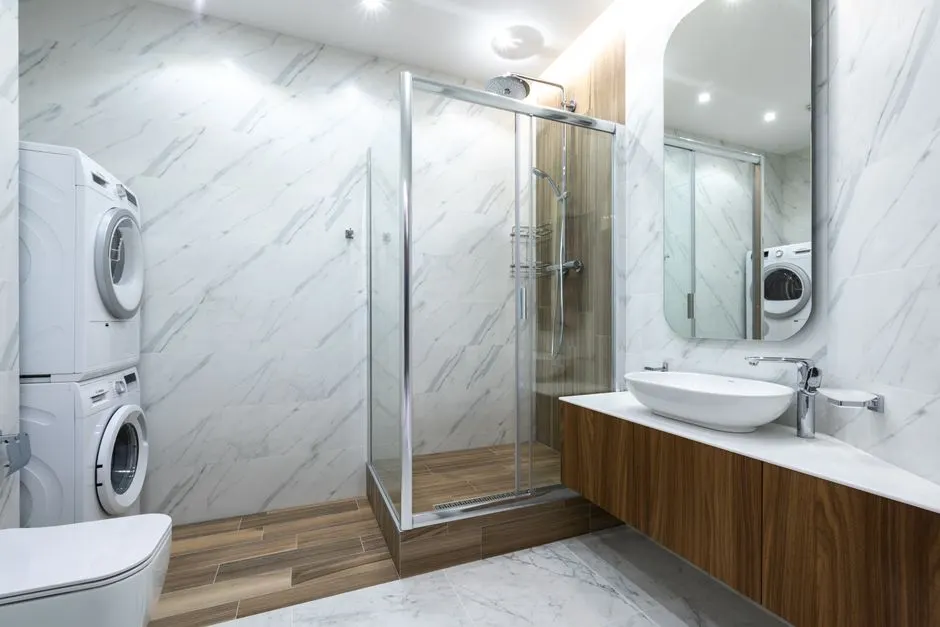
- Installation and replacement checks — We help Oakley homeowners with washer installation and replacement by checking the opening, connections, and machine level. We secure the inlet and drain hoses, run a test, and watch for leaks or excessive movement. This is especially useful for stacked or closet installations where clearance is limited.