
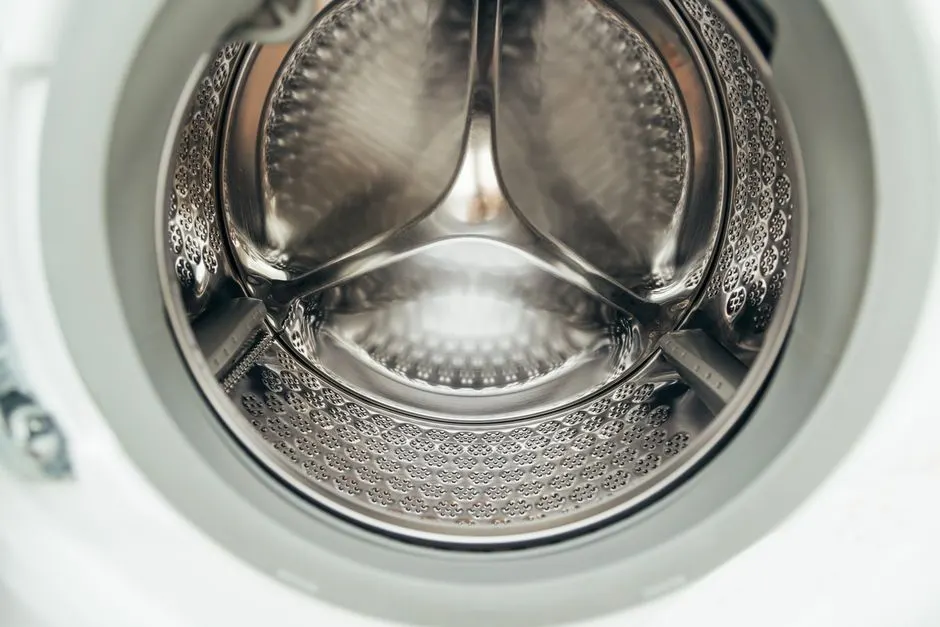
A washer that keeps stopping mid-cycle usually has trouble draining, balancing the load, filling with water, or confirming that its lid or door is locked. A failed pump, sensor, or control component can cause the same pattern, especially when a pause repeats on every load.
Washer stops mid-cycle is a washer fault pattern in which a cycle pauses or ends before the selected wash program finishes. We'll help you narrow down the cause with safe checks, explain which symptoms matter, and show when a repair visit makes sense for your home in California.
Why does my washer keep stopping mid-cycle?
A washer in California most often stops mid-cycle because it cannot complete a required step, such as draining water, reaching a safe spin speed, or verifying the door lock. The exact point where it pauses is your first clue.
If the drum is full of water, look first at the drain hose, pump filter, and household drain. If it stops after filling but before agitation, a lid switch, door lock, or water-level sensor deserves attention. A brief pause can be normal; a repeated stop that leaves the load wet is not.
Modern washers use sensors to prevent leaks, excessive vibration, and operation with an unlocked door. That protection can look like a machine that has simply quit. Note whether the display remains lit, whether the timer changes, and whether you hear a hum, click, or pump sound before the stop.
We handle recurring pauses through Washer Repair in California, starting with the symptom and the cycle stage rather than replacing parts by guesswork. Write down the brand, model number, selected cycle, and any displayed code before you switch the machine off.
What makes a washer stop during a cycle?
A washing machine stops during a cycle when it detects a blocked drain, restricted water flow, an unbalanced load, a door-lock fault, overheating, or a failed electrical component. The same symptom can come from different parts, so the stop point matters.
Drain trouble or a blocked pump filter
A washer that cannot empty water often refuses to begin the high-speed spin. The drain hose should not be kinked or crushed; many installations route it about 30-96 inches above the floor, but check your model's manual because allowed heights vary.
Some front-load models have a small pump-filter access panel near the lower front. If your manual identifies a user-cleanable filter, unplug the washer, prepare towels and a shallow tray, and expect trapped water. A clogged filter can contain lint, coins, or a small sock. Do not force the panel open or remove a service-only pump cover.
Unbalanced load or excessive vibration
A heavy bath mat, a single pair of jeans, or several bulky towels can bunch on one side of the drum. The washer may pause, redistribute the load, and try again; if it cannot balance, it can stop before spinning. Open the door only after the lock releases, then spread items evenly or remove some weight.
Check that the machine sits level and does not rock when you press opposite top corners. A washer that shifts during spin can repeatedly trigger vibration protection. On some models, a small adjustment of a leveling foot is enough; an unstable floor or worn suspension parts needs a closer inspection.
Water supply, door lock, or temperature issue
A partly closed supply valve, kinked inlet hose, or clogged inlet screen can keep the washer from reaching its fill level. During a cold snap, an exposed supply line can freeze; during warmer months, sediment disturbed by plumbing work can restrict a screen. Turn off the valves before inspecting hoses.
Front-load washers must confirm that the door is locked before tumbling or spinning. Top-load units use a lid switch or lock for a similar safety check. A door that looks shut but does not latch, repeated clicking, or a lock indicator that flashes can point to a switch or latch problem rather than a control setting.
In older apartment buildings and homes around Los Angeles, shared or aging plumbing can affect water pressure and drainage. We see the same practical diagnostic questions from customers seeking Washer Repair in Los Angeles, especially when the washer drains slowly or shares a standpipe with another fixture.
Electrical or control interruption
A loose plug, tripped breaker, failing motor component, or faulty control can interrupt the cycle. If the display goes dark, check the breaker once and make sure the plug is secure and dry. If the breaker trips again, stop there; repeated resets can create a shock or fire hazard.
An error code can narrow the search, but codes vary by brand and model. Record the letters or numbers exactly, including any blinking pattern. A code such as "F9E1" on some Whirlpool machines is associated with long draining, but the meaning is not universal; use the model-specific manual rather than assuming all brands share a code chart.
How to troubleshoot a washing machine that stops during a cycle
Washing machine interruption troubleshooting in California starts with a safe pause, a quick symptom check, and one change at a time. Unplug the washer before touching a hose, filter, or plug, and do not reach into standing water while the machine is connected to power.
- Record what happened. Note the cycle stage, remaining time, water level, sounds, and any code. Take a photo of the display before resetting it.
- Check the load. Redistribute mixed or bulky items and remove one or two heavy pieces. Avoid washing a single absorbent item alone if your model struggles to balance.
- Inspect visible hoses. Look for a sharply bent drain hose or an inlet hose trapped behind the cabinet. Confirm the water valves are open without pulling a heavy washer out alone.
- Check the drain path. If the drum holds water, look for a kink or an accessible, user-cleanable filter. Keep towels ready; a few cups to several quarts of water can spill, depending on the washer and water left in the tub.
- Run one short test. After restoring power and clearing the issue, try a rinse-and-spin or drain-and-spin cycle while staying nearby. Stop if you smell burning, see a leak, or hear grinding.
For a washer that stops after filling with water, listen for whether the drum starts to agitate. A silent pause with a locked door can indicate a sensing or control issue; a humming sound with no movement can point toward a jammed or failing component. Avoid opening the cabinet to test wiring or motor parts.
If the machine stops at the same minute or stage on two separate loads, the repeatable pattern is useful evidence. Our Washer Diagnostics and Troubleshooting in California service follows that pattern through drain, fill, lock, balance, and control checks so the repair addresses the cause rather than the symptom.
What to watch out for when troubleshooting
Safe troubleshooting in California means avoiding live electrical parts, forced door releases, and repeated cycle resets that can worsen a fault. A washer that pauses once after an uneven load is different from one that repeatedly stops with water inside.
- Do not bypass a lid switch or door lock; those parts prevent the drum from running while open.
- Do not use a screwdriver to pry a locked door. Many machines release only after water drains and the lock cools.
- Do not run multiple hot cycles to "clear" a suspected blockage. Heat will not remove a foreign object from the pump.
- Stop using the washer if water leaks toward an outlet, the plug feels hot, or you smell scorched insulation.
- Do not keep resetting a breaker that trips again, or repeatedly restart a washer that makes a grinding or burning sound.
A reset can clear a temporary software hang, but it will not repair a clogged drain, broken latch, or failing pump. Frequent resets also erase useful clues, including a stored error code or the stage where the washer consistently stops.
When to call a professional
A washer technician in California should inspect the machine when it stops on two or more loads after basic checks, leaves standing water, trips a breaker, leaks, or displays the same fault code repeatedly. Those signs point beyond a simple load adjustment.
Our team can test the drain pump, door or lid lock, inlet valves, pressure sensing, wiring, and control response without asking you to dismantle the appliance. We match the symptom to the model and test the washer through the affected cycle after repair.
Typical 2026 washer diagnostic visits in California often fall around $80-$150, while common repairs can range from about $150-$450 before any unusually expensive part or complex access. The brand, part availability, and exact failure change the final price; we explain the price before work begins.
Call California Washer Repair if the washer pauses and will not restart, or if you cannot safely clear a drain issue. Bring the model number and a photo of the code; that information helps us arrive ready to trace the fault.
Frequently Asked Questions
Why does my washer keep stopping mid-cycle?
A washer usually stops mid-cycle because it cannot drain, balance the load, maintain water flow, or confirm that the door is locked. Check for standing water, an uneven load, a kinked hose, and a displayed code first. If it stops at the same stage on two loads, arrange a diagnosis.
Can a clogged drain make a washer stop during a cycle?
Yes. A restricted drain can leave water in the tub and prevent a washer from entering spin, often adding 10-30 minutes or stopping the cycle with an error. Check visible hose bends and a user-accessible filter only after unplugging the machine and preparing for spilled water.
Why does my washing machine stop before spinning?
A washer most often stops before spinning because it still detects water, an unbalanced load, or an unlocked lid or door. Redistribute the laundry and check the drain path. If it drains but will not spin on a second test, a lock, pump, sensor, or motor fault needs diagnosis.
Should I reset a washer that stops mid-cycle?
One reset is reasonable after you record any error code and check for a simple load or hose issue. Unplug the washer for about 1 minute, reconnect it, and try one short cycle if there is no leak, burning smell, or breaker problem. Repeated resets will not fix a failing part.
When should I call a washer technician for a mid-cycle problem?
Call a technician if the washer stops on two consecutive loads, holds water, trips the breaker, leaks, or shows the same code after one safe reset. A technician can test the pump, lock, water-level sensor, and controls without exposing you to live wiring or a sudden water spill.
Get help with Washer Repair in California
If your washer keeps stopping, we can trace the interruption, repair the failed part, and run the cycle to confirm it finishes. Call California Washer Repair at +18665940052 to arrange help.